

A festive meal that’s good for everyone - isn’t that what we all want? Yet sadly, some of the foods we typically eat at Christmas are produced at terrible cost to people far away. The sugar and cocoa used to make all those sweet treats may well have been grown by slaves. Cocoa is also at high risk for child labour: around 20% of all cocoa produced worldwide is produced by kids who work full-time instead of going to school. And, if you’re ditching the ham and turkey for salmon or seafood, be careful with what you buy: fish is the food we eat that’s most likely to be caught or processed by slaves.
However, do not despair! A Christmas meal that’s good for everyone is possible: click on the links below to find reliable slave-free options. We also have a flyer with Christmas chocolate gifts!
Table of Contents
Drinks, juices and cordial
Most soft drinks contain a lot of sugar, an ingredient likely to be produced with slave labour. Fortunately, there are a many widely-available soft drinks that are made with slave-free sugar.
New Zealand has one soft drink company that sells Fairtrade certified drinks: Karma Drinks. Their sodas bottles and cans are all certified Fairtrade; their juices and ’sparkling’ range are not, but that seems to be because they don’t have sugar as an ingredient so will be slave-free anyway. They’re also organic. They buy the Kola nuts for their signature Karma Kola direct from the producers in Sierra Leone and have a foundation that funnels a portion of profits into development projects in those communities.
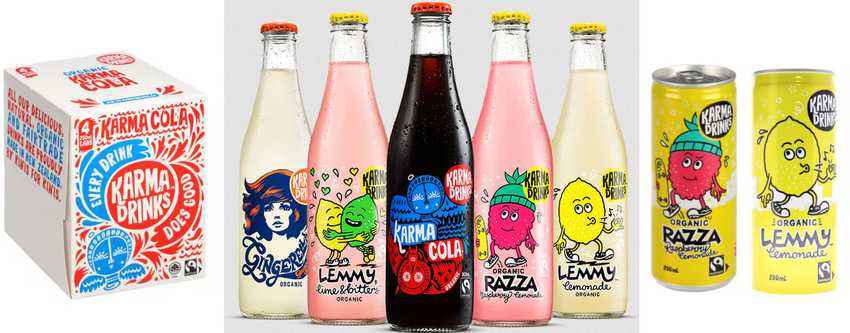
Karma drinks come in both 300mL bottles and 330mL cans in the following flavours:
- karma cola (including a sugar free version, bottle only)
- lemmy lemonade (including a sugar free version, bottle only)
- gingerella ginger ale
- razza raspberry lemonade
4-packs of cans (for $7-$10) are available at many supermarkets. In addition, you can buy boxes of 15 x 300mL bottles ($50) and trays of 12 cans ($45) direct from their website with free shipping or you can buy singles from various health food shops and supermarkets for around $4-$6.
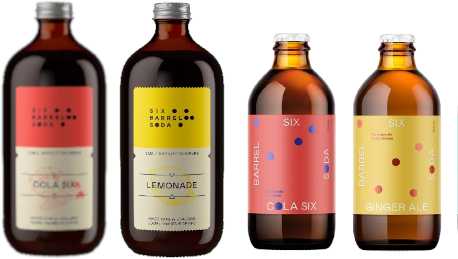
Another fair trade option is Six Barrel Soda Co. They don’t display any fair trade logo on their packaging, but only use WFTO-certified (and organic) sugar in all their products.
They sell a wide range of soda syrups (which are designed to be used in soda-stream machines but also work well as regular cordials) - $16.95 for a 500mL bottle. Flavours include:
- raspberry and lemon
- cola
- elderflower
- grapefruit
- feijoa
Buy direct from their website either singly or in a 3 bottle pack (you choose the flavours).
You can also buy from Farros, Moore Wilsons, Common Sense Organics and some New World stores (or check out the full list of stockists).
They also sell craft sodas in 330mL bottles ($47.50 for 15 bottles through their website) in the following flavours:
- ginger ale
- cola
- raspberry and lemon
- lemonade
and a mixed flavour pack.
Ice tea with slave-free tea
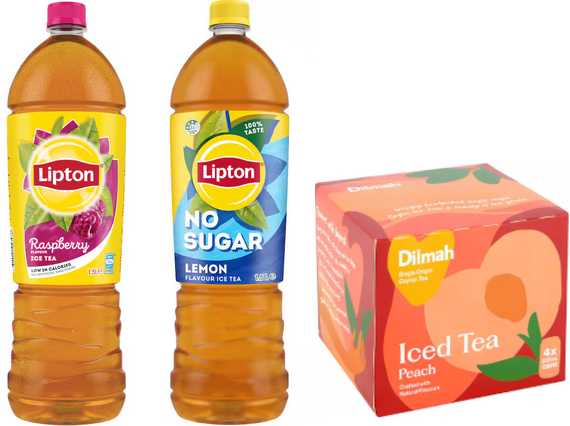
Liptons ice teas (but not their ice tea sachets or chai sachets) are made with Rainforest Alliance certified tea. Some are also sugar-free, but for those with sugar we don’t know if the sugar is also slave-free. Liptons ice teas come in 500mL and 1.5L bottles
Dilmah ice teas (sold in 4-packs of cans for around $9-10) are also made with slave-free tea (read to find out why we think this).
Sodas, juices and drink syrups made with Australian sugar
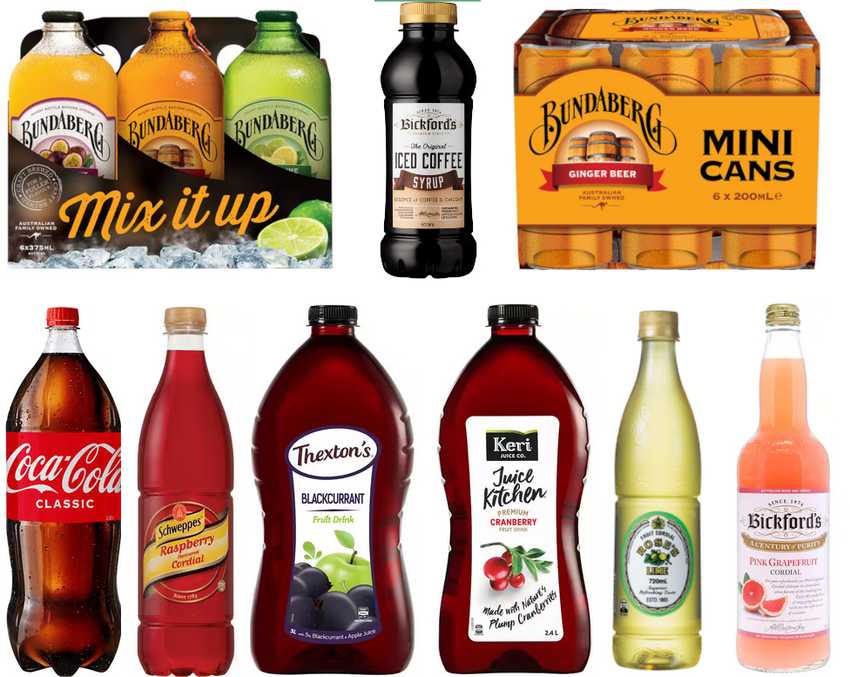
Lastly, many drinks sold in New Zealand are made with Australian sugar - which is slave-free due to the strong employment law in that country. These are a second choice for us as they aren’t actively providing alternatives to people in slavery, but you can still be confident they are slave free.
Drinks made with Australian sugar include:
-
sparkling drinks from:
- Bundaberg. This includes their classic ginger beer, but also a range of sparkling fruit drinks including passionfruit, guava, mango etc. in both bottles and mini cans.
- Coca cola. This includes the classic Coca cola soft drinks (Coke, Fanta, Lift, L&P, Sprite) as well as the Schweppes and Deep Spring soft drink ranges.
-
Cordial from:
-
Iced coffee syrups from:
*Note that some speciality shops also stock Roses cordials manufactured in South Africa, which come in a much wider range of flavours. These are produced by a different company and we do not know if they are made with slave-free sugar. Roses marmalade is also made by a different company and, again, we don’t know if the sugar in those is slave free.
Snacks
Many snacks, sadly, have slave labour in their supply chains. Here are some slave free options.
Chocolate
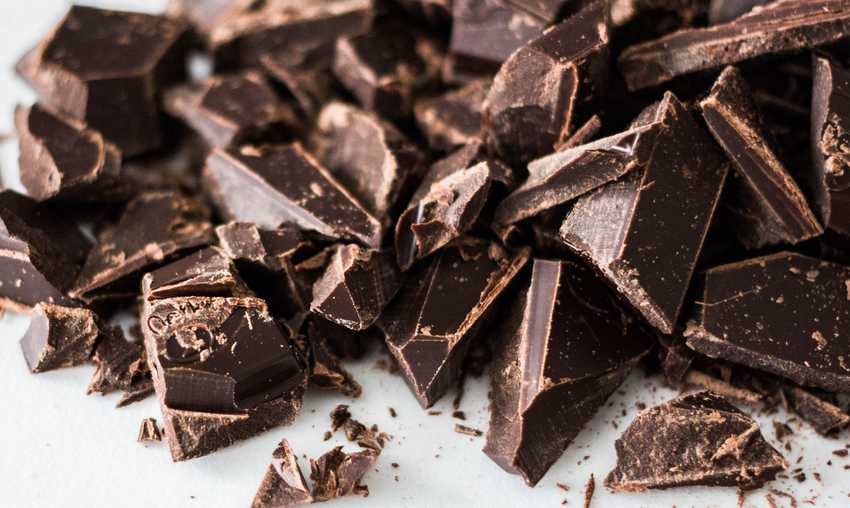
Photo by Charisse Kenion on Unsplash
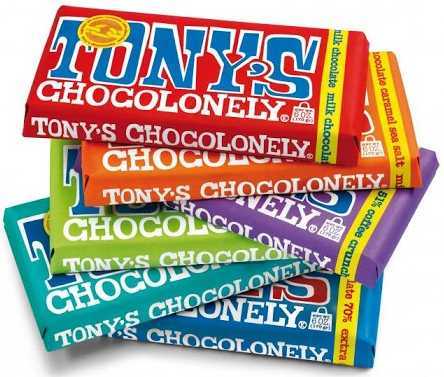
Around 20% of all cocoa is produced by kids. Our favourite child-labor-free option is Tonys Chocolonely. As well as being Fairtrade certified, they actively buy from areas where child labour is common (so they’re making a difference where its needed most), and they pay workers enough for them to earn a living income so they have less need to have their kids working on the farm. Available at many supermarkets (around $10 for a 180g block) as well as in bulk online.
If that doesn’t work for you, our cocoa list has a large number of options for chocolate blocks. Our 2025 Christmas chocolate flyer also gives a wide range of chocolate products that are free of both child and slave labour.
Chocolate sweets
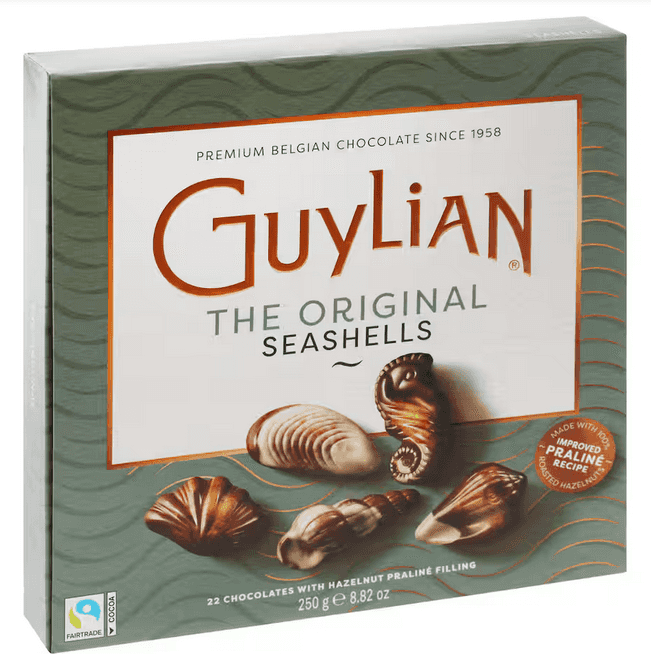
Guylian seashell chocolates are made with Fairtrade certified cocoa (although their sugar is not Fairtrade certified). Widely available in both 65g and 250g boxes (around $5-$6 and $20-22 respectively).
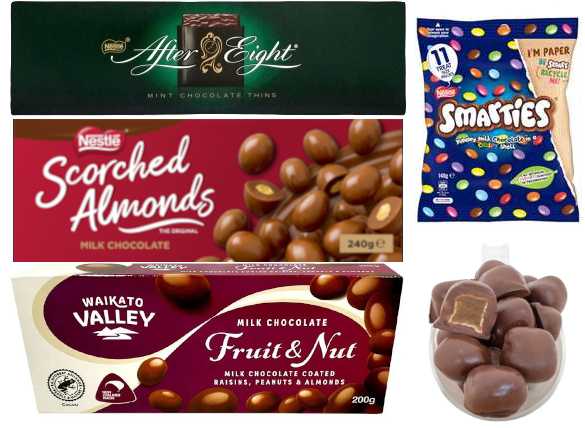
In addition, chocolate sweets with Rainforest Alliance certification are widely available. Options include:
- Smarties (around $7-8 for a 127g bag of 11 boxes).
- After 8 mint thins (around $10 for a 300g box)
- Nestle scorched almonds (around $9-$10 for a 240g box)
- scorched almonds (white, milk and dark) and choc-coated fruit and nut from Waikato Valley ($7.50 for a 200g box)
- The CareFillery sweet treats range (in the bulk bins at New World and PakNSave). Their dark chocolate ginger pieces look particularly Christmassy!
See our 2025 Christmas chocolate flyer for further options.
Biscuits
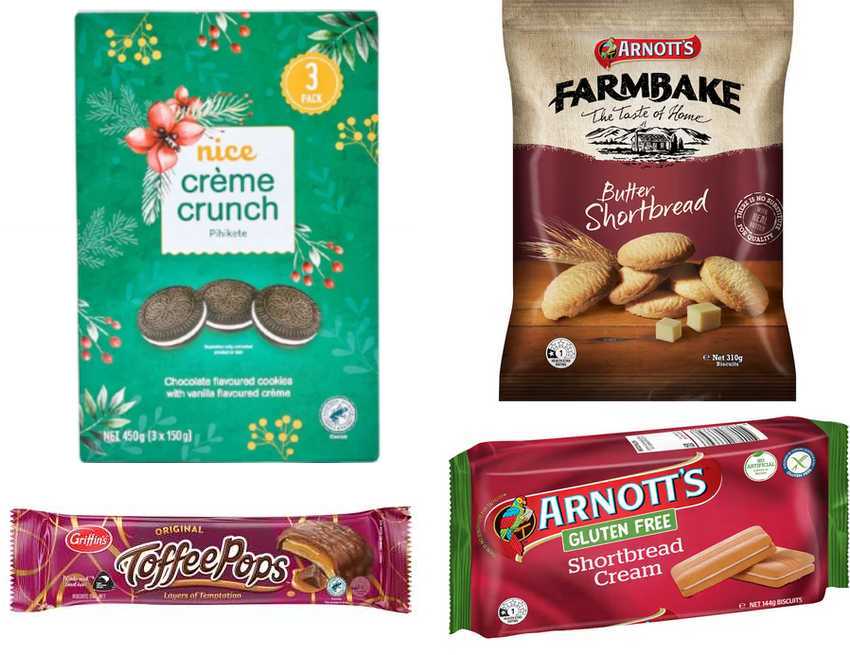
All Griffins chocolate biscuits EXCEPT their cameo cremes are made with Rainforest Alliance certified cocoa - that includes Christmas favourites such as mallowpuffs and toffeepops. Sadly, none of their 2025 sampler boxes seem to be Rainforest Alliance certified as they all contain cameo cremes.
The Warehouse Nice Christmas creme crunch biscuits are made with Rainforest Alliance certified cocoa.
All Arnotts biscuits, including their Farmbake and Creme shortbreads and their Scotch fingers are all made with slave-free Australian sugar.
Crackers
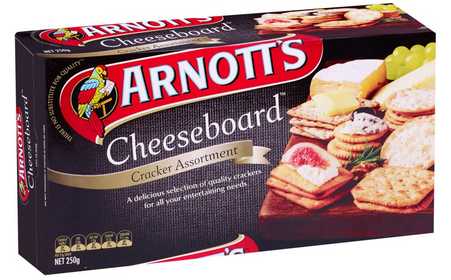
Just Kai focuses on fish, cocoa and sugar, the foods at highest risk of slavery in their supply chain. However, we are aware that slave labour is used in many of the ingredients used to make crackers - especially tomatoes and palm oil. If you’re serving crackers, perhaps as part of a cheese board, Arnotts is making excellent efforts to remove slave labour from their cracker supply chain. They sell a cheeseboard sampler box, as well as various crackers and savory biscuits including their cracker chips and shapes ranges.
If you’ll be serving salmon on your cheese board, check out our guide or see below for slave-free options.
Nuts
Starting from the lowest risk products and going through to the highest, we recommend the following.
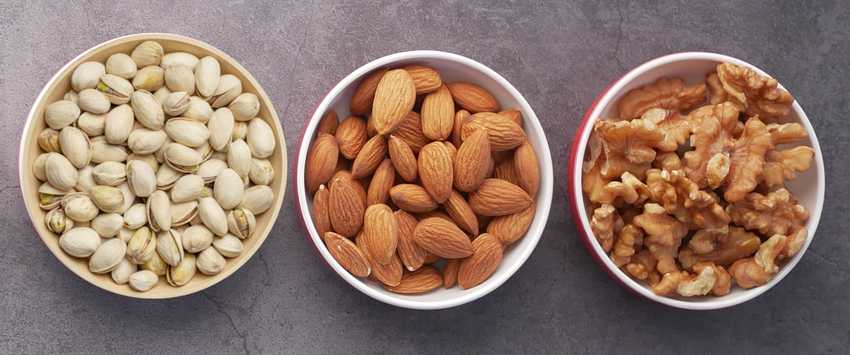
All almonds, pistachios and walnuts sold in New Zealand will be slave free - you can buy any brand :-)
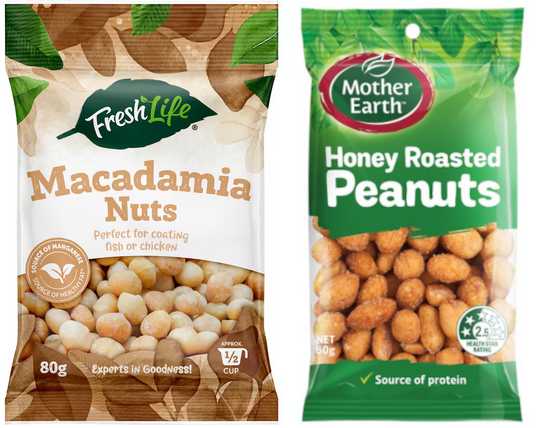
Peanuts and macadamia nuts are generally slave free, but not always: to be sure yours are slave free, look for:
- Fresh Life macadamias (available from Woolworths and Fresh choice stores);
- Mother Earth’s honey roasted peanuts (available widely).
Note that we can’t be confident all other nut products from those brands are slave free.
We found that child labour, forced labour and/or terrible working conditions are particularly common in the hazelnut, cashew and Brazil nut industries. Unfortunately we didn’t find any reliably slave-free Brazil nut suppliers, so recommend you avoid buying those.
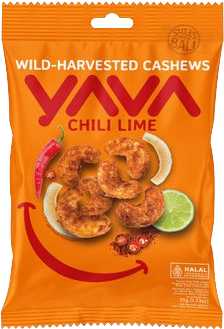
For cashews, we recommend the Yava range (available at Woolworths or online from The Baron) which come in 35g bags in a range of flavours. In addition, if you are able to source products from the US or the UK, Fairtrade certified cashews are available in larger quantities from:
- beyond the nut and Uprise Foods in the US
- Sainsburys own brand in the UK
For hazelnuts, look for nuts grown in New Zealand, the US or Australia. Many Kiwi hazelnut orchards sell direct to the public online - Hazelz sells a particularly wide range of products made from NZ-grown hazelnuts.
For Brazil nuts we have yet to find any slave-free options, so Brazil nuts are best avoided.
Dessert
Ice cream
Ice cream contains a lot of sugar, and sugar is one of the foods most likely to be produced with slave labour. It also commonly includes cocoa or chocolate: as well as being at risk of slave labour, more than 20% of the world’s cocoa is grown by kids.
To avoid supporting all that when you buy ice cream, our most recommended options are Ben & Jerry’s and Little Island.
Ben and Jerry’s
Not only is the whole Ben & Jerry’s range Fairtrade certified (meaning not just the sugar and cocoa, but also the coffee, bananas and vanilla they use are Fairtrade), they’ve also committed to making sure all their cocoa farmers get a living income. They’ve got a bunch of other awesome values too!
Ben & Jerry’s do 458mL ice cream tubs in a range of flavours, including:
- Chocolate fudge brownie
- Chocolate chip cookie dough
they also do Non-dairy ice cream in:
- Chocolate chip cookie dough oat
Ben & Jerry’s are stocked by most supermarkets, as well as many dairies and petrol stations. You can also get via Door dash or Uber Eats. Look here for delivery or your nearest stockist. Around $12-$15 for a 458mL tub.
Little Island
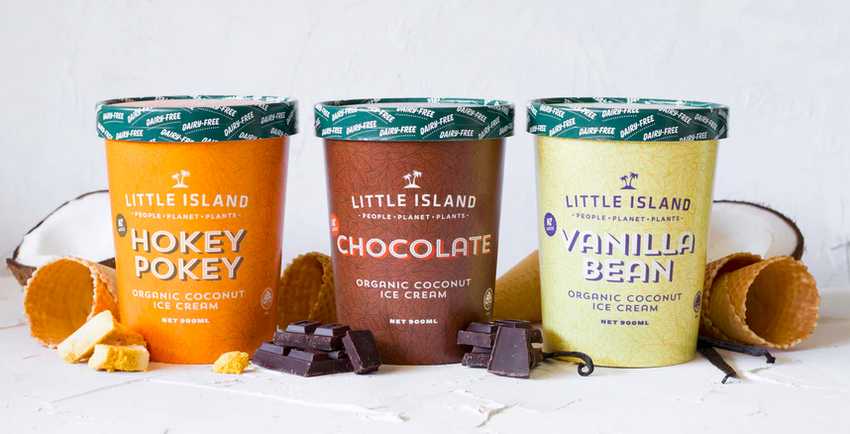
Little Island no longer display the Fairtrade logo on their packaging, but we have learned from correspondence that all their cocoa and all their sugar is Fairtrade certified.
They sell 900mL tubs of:
- chocolate
- vanilla
- hokey pokey
as well as further flavours in 450mL tubs and 145mL single-serve cups. Around $12 for 900mL or $10 for 450m
Stocked at select supermarkets as well as health food stores. All Little Island ice creams are also vegan and organic.
Kāpiti, Magnum and Trumpet
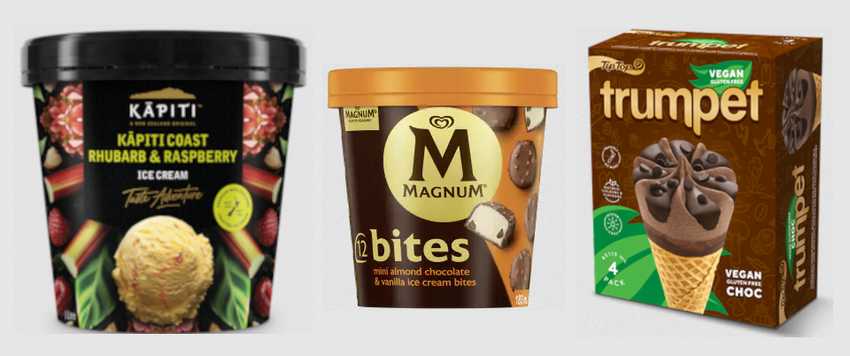
If those don’t work for you, we also recommend Trumpet, Kāpiti and Magnum as good slave-free options. Although these don’t use slave-free sugar, they do use Rainforest Alliance certified slave-free cocoa in all their products. Cocoa is the ice cream ingredient most at risk of slavery in its supply chain, so making that ingredient slave-free means they’re much lower-risk than their competitors.
These should all be available at your local supermarket. They all have single-serve options that’d be great for your Christmas BBQ; magnums also come in 445mL tubs, Kāpiti in 1L tubs. All three include dairy free/plant based options.
Jelly
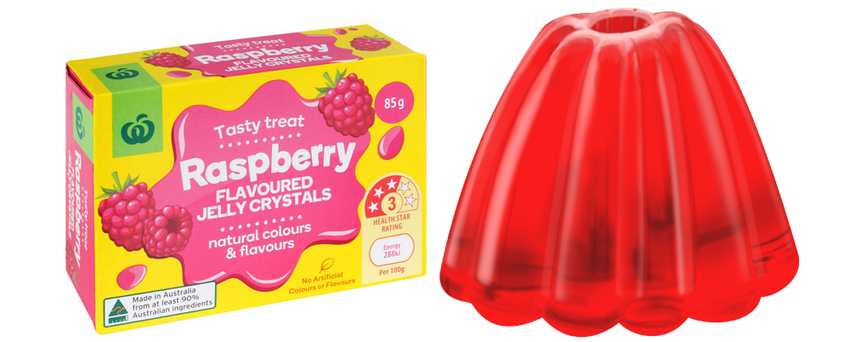
If you want to serve jelly (or are making trifle), the Woolworths own brand jelly crystals range are made with slave-free Australian sugar. The jelly crystals come in strawberry, raspberry and lime flavours; around $1.20 for an 85g box.
Chocolate Christmas pudding
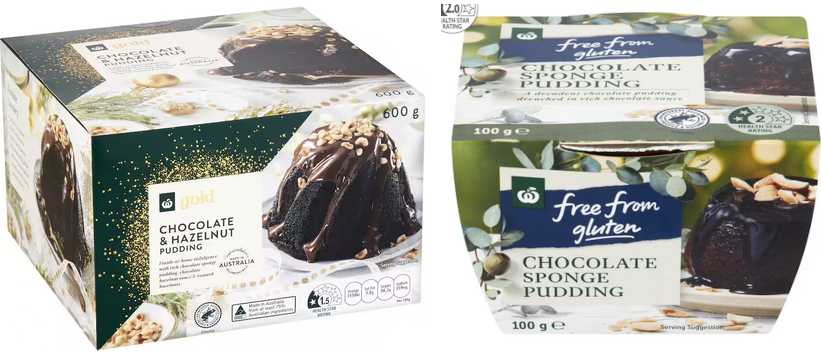
Woolworths has two own-brand chocolate Christmas puddings made with Rainforest Alliance certified cocoa. A 100g gluten-free chocolate pudding for around $5, and a 600g hazelnut chocolate pudding for around $20.
Baking ingredients
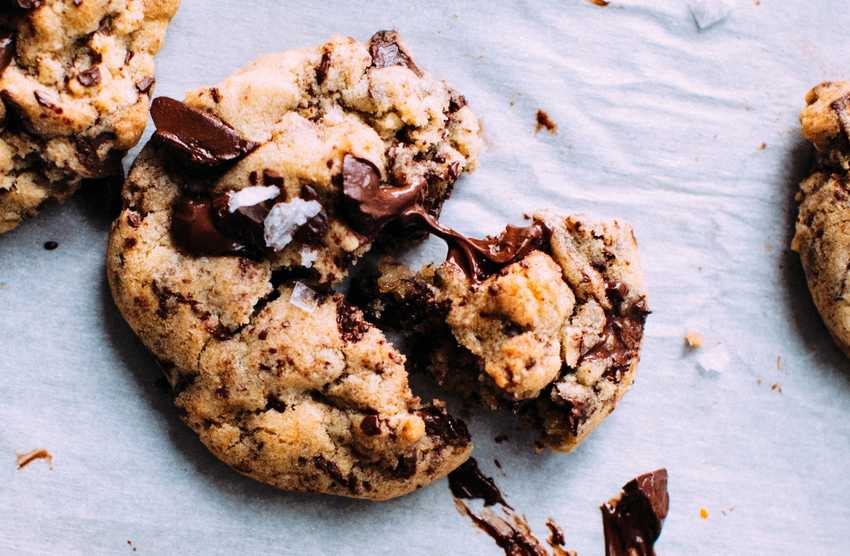
Image credit Jennifer Pallian on Unsplash
Christmas is a great time to bake! Fortunately, cocoa and sugar that’s certified free from child and slave labour is readily available throughout New Zealand. For slave free sugar you might need to look around a bit, but slave free cocoa and baking chocolate are available at every supermarket in New Zealand. Most other baking ingredients are low-risk for child and forced labour but there are a few exceptions.
Sugar
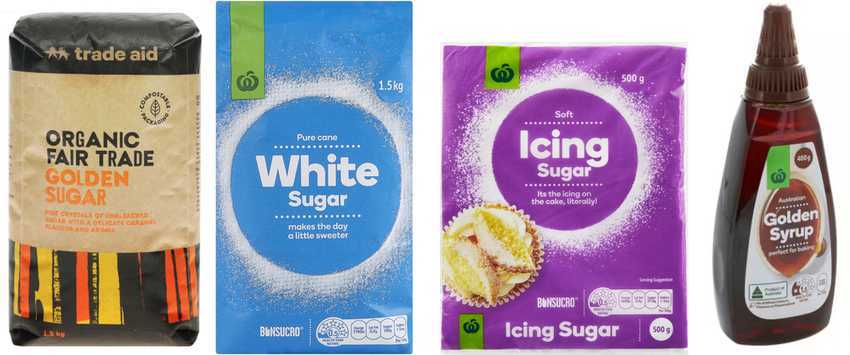
There are two certifications we trust for slave-free sugar: Bonsucro and WFTO. Both involve thorough audits for child and slave labour on sugar plantations and in sugar mills, although the latter is significantly better for the workers. Bonsucro checks for safe working conditions and ensures workers are paid at least the legal minimum wage for their country; in addition WFTO does a range of things to support small producers.
We also trust Australian-produced sugar, due to the strong labour laws in Australia. You can often identify Australian sugar via. its ‘product of Australia’ labelling.
Woolworths own brand sugar has Bonsucro certification. They do white, brown, raw, icing and caster sugar in bags between 500g and 5kg. It’s cheaper than Chelsea :-) Woolworths own brand golden syrup and their maple flavoured syrup are both made with Australian sugar so are slave-free.
Trade Aid sells WFTO certified golden granulated sugar in 1.5kg and 5kg bags ($10.99 and $34 respectively), as well as 400g bags of muscovado sugar ($7.99). Buy online or from some supermarkets and whole food stores.
Ready-made icing
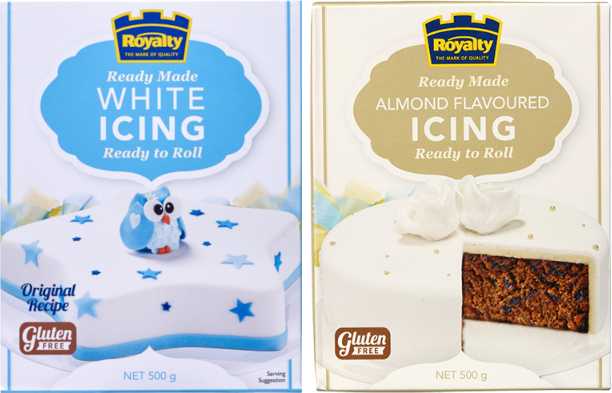
We’ve contacted a number of ready-made icing brands, and the only one we currently recommend is Royalty. It’s made with Australian sugar. Available widely in both plain and almond flavours, around $5-$6 for a 500g box.
Cocoa and cacao powders
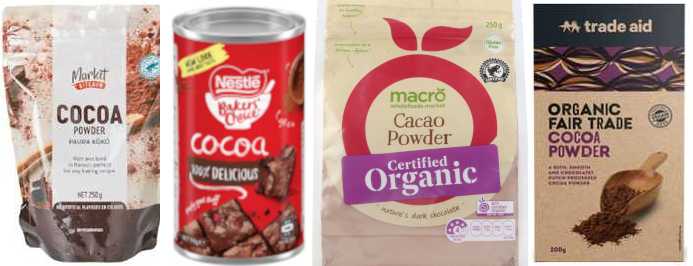
We trust three certifications for cocoa products: Rainforest Alliance, Fairtrade and WFTO. Structurally these are quite different from each other, but they all guarantee no child labour, no forced labour, safe working conditions etc.
- Rainforest Alliance-certified cocoa is readily available from The Warehouse’s Market Kitchen brand ($6 for 250g) and Nestle Baker’s Choice (190g tin, around $5). If you are concerned about Nestle’s ethics, read up on why we are happy to recommend them. Woolworth’s Macro brand cacao is also RA-certified (around $8 for 250g).
- Trade Aid sells WFTO-certified cocoa powder in 200g boxes and 2kg bags ($11.89 and $88.50 respectively). Buy online or from some supermarkets and health food shops.
- Check out our cocoa list for more options, including those made with Samoan cocoa.
Chocolate chips/drops/bits; baking chocolate; cacao nibs

Using the same three certifications mentioned above, we recommend:
-
Dark chocolate chips:
- Woolworths own brand, 200g for around $5, RA certified
- Market Kitchen (Warehouse own brand), 400g for $5, RA certified
-
Dark chocolate drops
- Nestle Baker’s Choice choc bits, 200g for around $8, RA certified
- Woolworths own brand, 200g for around $5, RA certified
-
Milk chocolate drops:
- Nestle Baker’s Choice choc bits, 200g for around $8, RA certified
- Woolworths own brand, 200g for around $5, RA certified
-
White chocolate drops:
- Nestle Baker’s Choice choc bits, 200g for around $8, RA certified
- Woolworths own brand, 200g for around $5, RA certified
-
Baking chocolate:
- Woolworths cooking chocolate dark, 200g for $4.69, RA certified
-
Cacao nibs:
- Woolworths Macro cacao nibs, Rainforest Alliance certified, around $10.50 for 250g.
- Samāori sells cacao nibs online - made from Samoan cocoa beans, which are always slave-free. 250g for $22. NB as of early November they were out of stock, but they did have whole cocao beans available if you had the ability to chip them yourself.
Other baking ingredients
Just Kai is currently in the midst or researching baking ingredients and we are pleased to confirm that many baking ingredients are always free of forced labour and child labour, regardless of brand. These include:
- white and wholemeal flour and cornflour
- baking powder and baking soda
- salt (with the exceptions of Himalayan pink salt and table salt from India)
- most essences/extracts - we are sure of almond, peppermint and lemon ‘natural’ essences, as well as all artificial essences. Natural vanilla is high risk though - see below for options
- dessicated coconut, crystalised ginger, raisins and sultanas
- ginger powder (but most other spices are high risk)
- canola oil and sunflower oil, as well as olive oil if it’s from either Australia or New Zealand (olive oil from Mediterranean countries is at risk for forced labour)
Vanilla
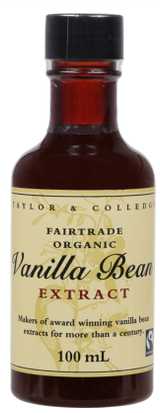
The vanilla industry uses a great deal of child labour, but some PakNSave and New World supermarkets sell Fairtrade certified vanilla. You’re looking for the 100mL bottle from Taylor and Colledge. It sells for around $10-11.
If you are unable to buy the Taylor and Colledge product or it is unsuitable to you, from as-yet-unpublished research we also recommend:
- Heilala Vanilla - a social enterprise and from a low-risk country
- NIUE Vanilla Organic - a social enterprise and from a low-risk country
And we consider these brands to be low-risk due to their membership of the Sustainable Vanilla Initiative:
- Queen
- Hansells
- Taylor and Colledge (only their 100mL extract is Fairtrade certified)
Spices

From as-yet-unpublished research we have found that most spices are at high risk of child labour in their supply chain, mostly because New Zealand sources most spices from India where this is a significant risk. The main exception is ginger, which generally comes from lower-risk countries.
To be confident your spices are slave-free our only recommendation to date is to buy from TradeAid, either online or from selected whole food stores.
Coffee
If you’re using coffee in your baking, check out our morning tea guide for slave-free options.
Shellfish, prawns and salmon
The traditional Kiwi Christmas focuses on ham, lamb or turkey, but maybe this year you’re doing something a bit different and serving seafood? Perhaps mussels, or prawns on the BBQ, or baked salmon in place of the traditional roast? Seafood is, sadly, at very high risk of slave labour in its supply chains (even if it’s caught or produced in New Zealand), BUT we’ve found plenty of slave-free options :-)
Shellfish
Most shellfish is slave-free. Our research has found no evidence of any form of slavery or child labour in the New Zealand shellfish industry, with one sole exception. Farmed paua are fed on fishmeal and oil just like salmon, and so have the same risks of slavery in the production of that feed. None of the New Zealand paua farms that we have contacted have replied to our queries so we cannot recommend any of them. However, most of the paua for sale is wild-caught, so this doesn’t limit your options much.
Mussels
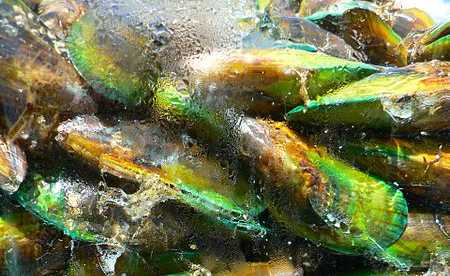
The only mussels likely to be for sale in New Zealand this Christmas are farmed New Zealand green-lipped mussels. These are all slave free and can be purchased with confidence regardless of brand. That goes for mussels in the shell and mussels in all stages of processing.
Oysters
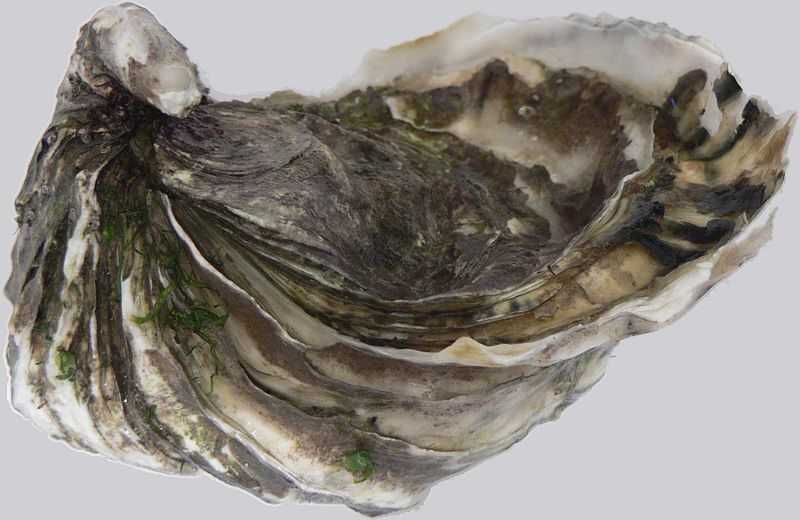
The only fresh oysters likely to be for sale in New Zealand this Christmas are either farmed or wild-caught in New Zealand (although you can find imported ones tinned). All fresh oysters are slave free and can be purchased with confidence regardless of brand. That goes for oysters in the shell and in all stages of processing.
We are not confident of any tinned oysters being slave-free.
Scallops
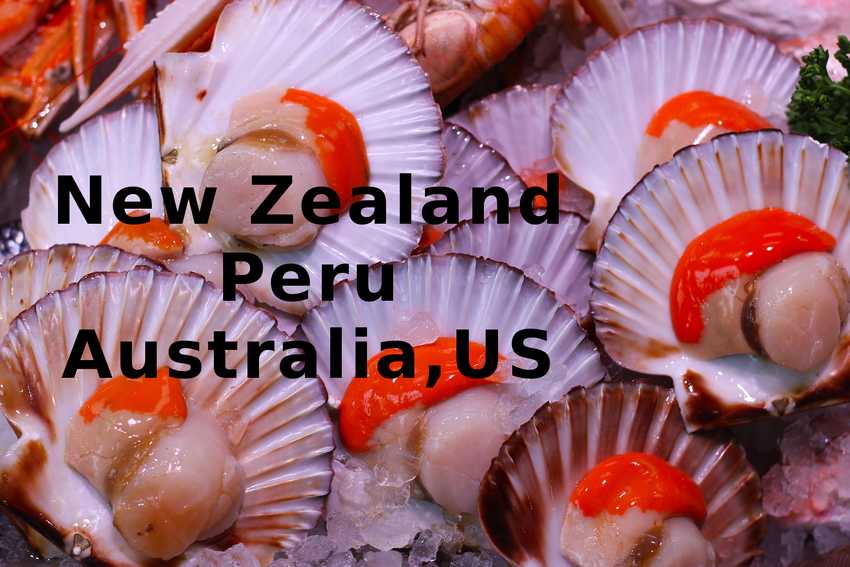
Some of the scallops for sale in New Zealand this Christmas will be wild-caught New Zealand scallops. These will be clearly labelled as such and are definitely slave-free: you can buy them with confidence.
The majority of scallops sold in New Zealand are imported; most of them come from Peru. We are confident the Peruvian scallop industry is slave-free, although it is not technically free of child labour. There have been reports of 17-year-olds are allowed to work on Peruvian industrial fishing boats, which violates ILO regulations against child labour as this is considered hazardous work. However, we do not consider this a major violation and hence do recommend Peruvian scallops.
Australian and US scallops are also slave-free; however, all other imported scallops should be avoided. The remaining major supply countries (including Japan and the UK) are all at high risk of slave labour in their scallop industries. We have contacted a number of companies supplying such scallops and none have reported seeking any kind of slave-free assurances from their suppliers.
Ask at the fish counter of your local fish shop or supermarket for scallops from Peru, Australia, New Zealand or the US or try the following:
- Shore Mariner Peruvian scallops (available at Woolworths - check for “Peruvian” on the packet - not all Shore Mariner scallops are from there.)
- Fisherking Peruvian scallops (available at PakNSave and New World)
- we’ve seen Australian scallops online at Oceans North and US scallops online from Hifresh.
Prawns

Most prawns are farmed: they are a high-risk product as slavery is common at many points in the supply chain including in the production of feed for farmed prawns, on prawn farms and in the processing of prawns. Very few companies that we have contacted have been able to assure us they have a slave-free supply chain. At this stage we can only recommend the following:
For whole prawns (i.e. with their heads and shells intact) any Argentinian red prawns or wild-caught Australian prawns are slave free.
- wild-caught whole Australian prawns are sold under the Ocean Pearl brand in Woolworths
- Solander sells Australian wild-caught whole banana and king prawns online.
- whole Argentinian prawns are available online at Tai Wah and Hawkes Bay Seafoods. Ask for them at your local supermarket or fish shop. Sometimes they’re labelled ‘red prawns’ or ‘Argentinian red shrimp’; they’re fairly easy to recognise as they’re the only prawns that are quite pink when raw.
For processed prawns, the only brand we know of that is checking for forced labour throughout its supply chain is Kingfisher. Kingfisher prawns are sold in PakNSave and New World; their range includes both raw and cooked prawns and shrimp, all pre-peeled.
Salmon
Whilst the tinned salmon you find in New Zealand supermarkets is typically wild caught, the fresh, frozen or smoked salmon you’ll likely be serving at Christmas will have been farmed, most likely in New Zealand or Australia. Such farms are at extremely low risk of child or slave labour due to our strong labour laws. However, sadly that doesn’t mean all farmed salmon is slave free. The salmon is fed on a feed that includes both fishmeal and fish oil, both of which are commonly made from fish caught by forced labour. Farmed salmon should only be purchased if the farm ensures their feed has a slave-free supply chain.
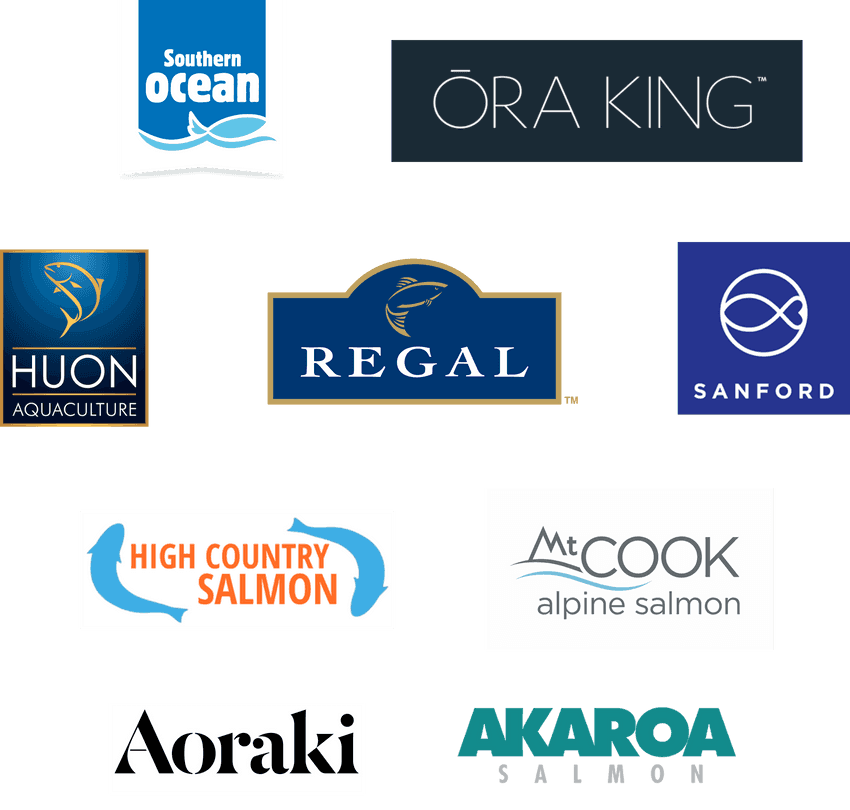
Fortunately, all New Zealand salmon farms are now using slave-free feed. We don’t have any concerns that slavery could be being used on the farms themselves, so that means that we are confident all New Zealand farmed salmon is slave free. In addition we are confident that products from Huon (an Australian company whose products we’ve seen at Hawkes Bay Seafoods) are also slave-free.
For branded products, look for the logos of Southern Ocean, Regal, Ora King, Huon, Regal, Sanford, High Country Salmon, Mt. Cook Alpine Salmon, Aoraki or Akaroa or for clear ‘product of New Zealand’ labelling.
For unbranded products (e.g. sushi from a local shop, or fresh salmon from the fish counter in your supermarket), ask the retailer if they’re using New Zealand salmon - they likely are, in which case you can buy in confidence.
Happy Christmas!